
Chapter 2 - Georgia Peaches
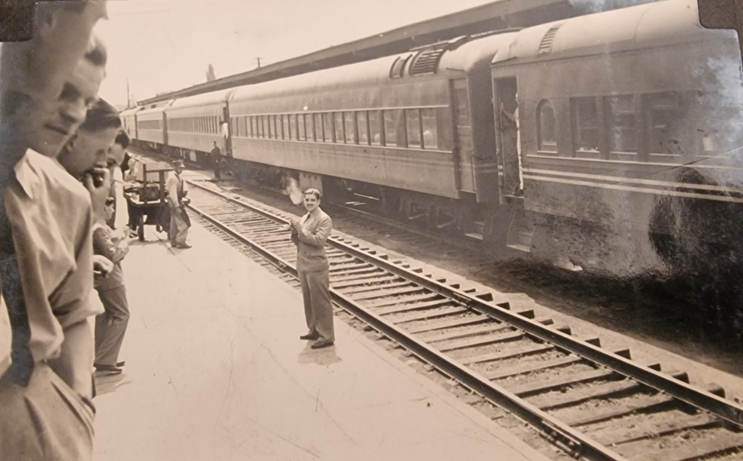
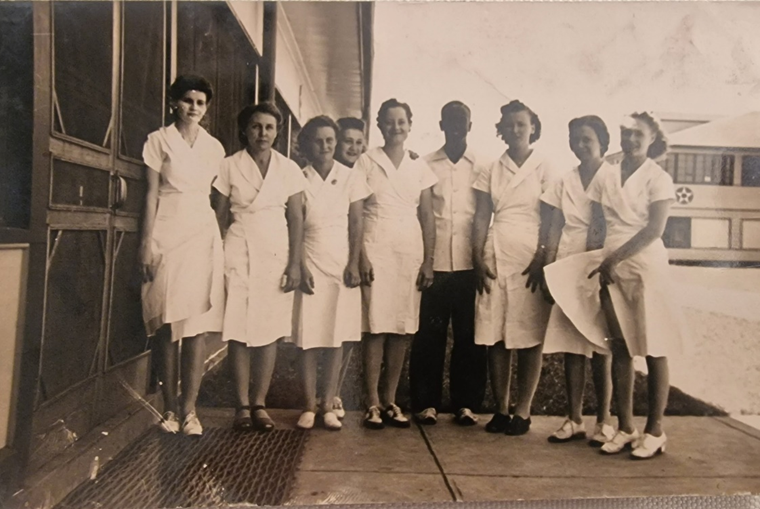
After a pleasant stay in Toronto, Canada, we left by train for Georgia to start flying training. Our first school was Darr Aero Tech. in Albany, a flying and ground school mainly staffed by civilians with an English officer representing the Royal Air Force. The accommodation and messing were excellent, staff and cadets had meals together. At Darr Tech, we experienced for the first time the American way of instilling discipline.
We lived in spacious dormitories, and each day there was a bed inspection, the top blanket had to be folded at 45° at the bottom of the bed, also the bottom sheet at the top of the bed. The inspecting officer would lift the blanket at the bottom between finger and thumb and then release the blanket, and it had to ripple from bottom to top
The locker at the side of each bed had to have its door open a certain number of degrees, and the contents laid out in a specified order.
The cadets were in one of two classes, named upper and lower. Upper classmen were approximately 6 weeks ahead in training and this allowed them to 'haze' lower classmen.
An American upper classman, meeting an American lower classman, for example, might say 'O.K. mister, stand to attention; now mister, make like a duck.' The lower classman would then have to bend down waddling and quacking in impersonation of a duck, to the satisfaction of the upper classman. The hazing system worked well with American cadets, but certainly not with the Royal Air Force.
The Demerit System
On arrival at the school, lower classmen, being new boys, were allowed to be naughty up to five demerits. After five demerits, each demerit counted as a tour, which meant 1 hour walking up and down a concrete path in one's own time. Offences and punishments were published on the notice board, under name, nature of offence, and number of demerits awarded. To my astonishment, after a couple of days my name appeared on the bad boys' list:
Aviation cadet F.M. Jones, nature of offence - dead fly found on window ledge, three demerits awarded.
This was the American way of keeping cadets 'on the ball'.
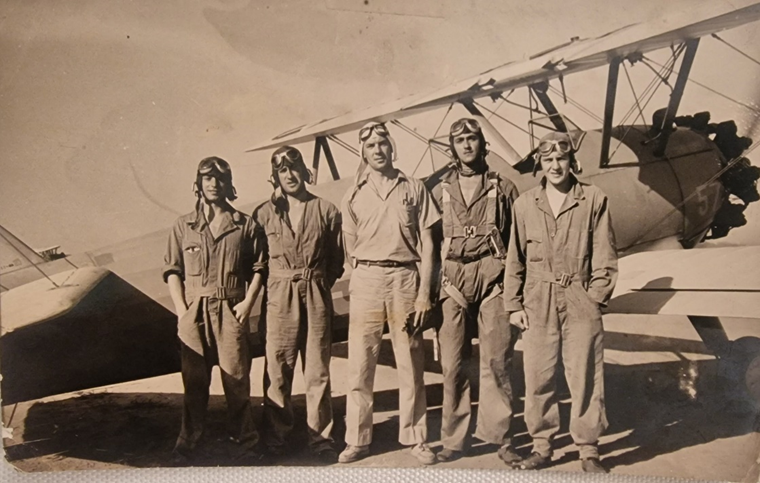
Each flying instructor had four students; my instructor was called Tom Proven and he soon 'washed out' (failed) two of them. He sent me solo after 8 hours 36 minutes in the Stearman PT 17A, a 220 h.p. biplane. Everything went well until I landed and ground-looped, which meant the aircraft left a straight path on the ground and turned at speed, digging the wing-tip into the ground.
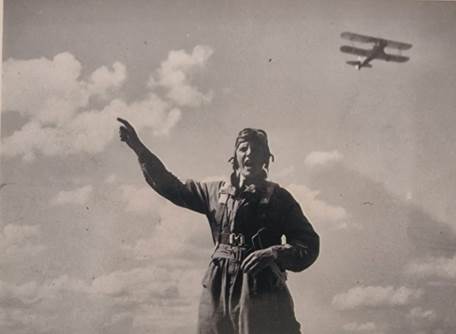
“Hell,” Proven said, “I should have you washed out. You'll be a credit to the Air Force - the German Air Force, I mean”. He didn't have me washed out only because he had already lost two students, at least that's what he said.
The subjects covered in ground school were engines and aeroplanes - signals - navigation - meteorology - aircraft structure. My highest marks were for navigation (87%), and I did 30 hours and 7 minutes dual and 30 hours solo flying in what looked like a World War I fighter. We were taught to fly by the 'seat of the pants', and in fact there was no airspeed indicator in the rear cockpit where the student sat. Aeroplanes were called 'ships'.
It was the task of every class to produce a magazine - ours was called Pee Tee (named after the aircraft type). My pal was Wilf Jolliffe, and he had to write something about me and I to write about him, this happened to all the cadets, so the magazine was full of photographs, brief biographies and articles; here's an excerpt from a poem written by R. Jones (no relation):
I'm leaving the States very shortly,
But before I leave here's a rhyme,
By a boy from dear old Blighty,
Reviewing a wonderful time.
Your welcome to us was outstanding,
Beyond what we dared to expect,
Your kindness forever expanding,
We salute you with heartfelt respect.
On behalf of the boys of Britain,
America accept our thanks,
Your kindness helps us I'm quite certain,
As much as your planes and your tanks.
We bid you farewell with deep sorrow,
We wish we had longer to stay,
Thanks to you, we know that tomorrow,
is a step nearer Victory Day.
Georgia is noted for its peaches (fruit), its peaches (beautiful girls), and glorious weather.
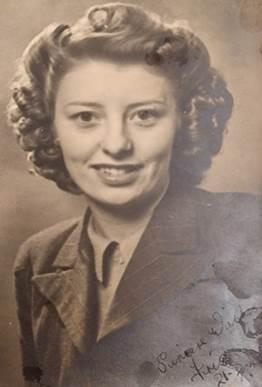
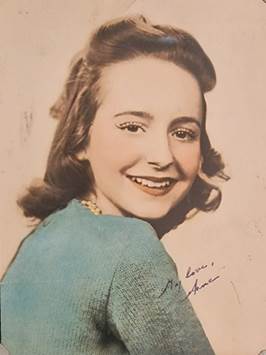
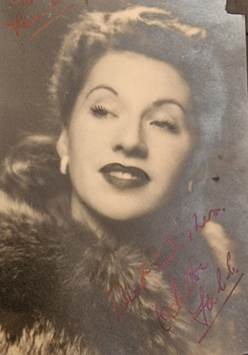
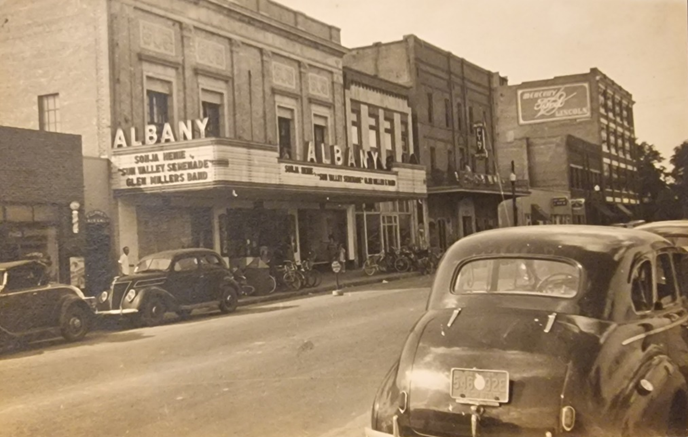
We were there from late August to late October 1941, and initially it was quite difficult to stay awake during ground school because of the heat. Never say to an American girl, ‘I'll pop round in the morning and knock you up', or 'I like your mother, she's so homely'. 'Homely' in America means ugly. Looking at a photograph of the Albany cinema, I see Sonja Henie was starring in Sun Valley Serenade, also Glen Miller's Band.
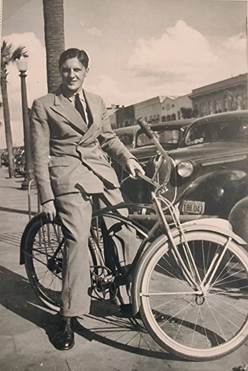
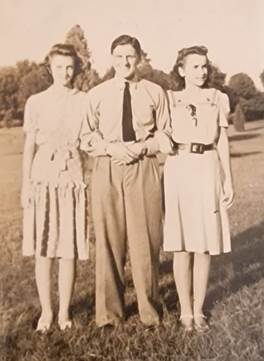
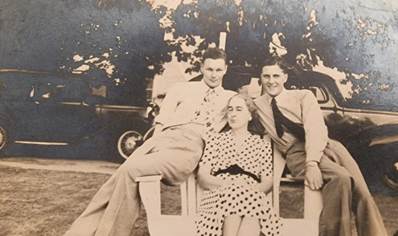
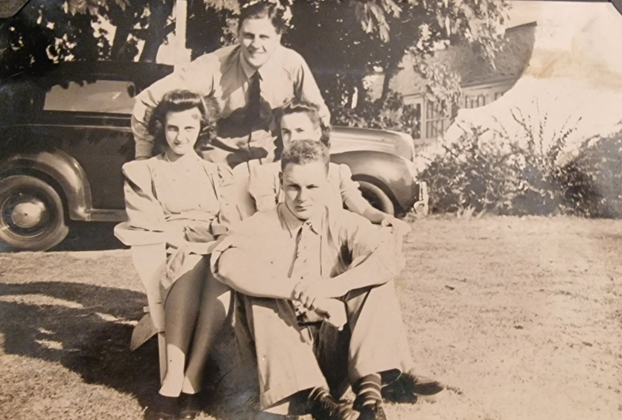
There was no pub in Albany, but bars in hotels where we used to drink at times. The Americans were most hospitable, and I became very friendly with the Strickland family, who would drive to the camp and take me and my friend out for the day. America was not in the war, but it was quite obvious where her sympathies lay.
The honour system was another facet of American service life, and it was the duty of a cadet to report another cadet if he did something wrong-
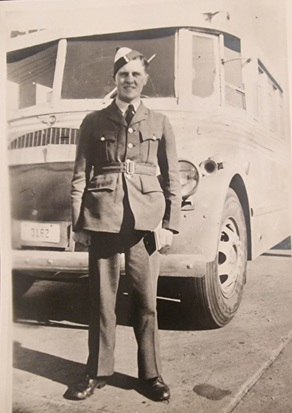
The discipline worked very well with American cadets, because they expected and accepted it, but it caused trouble with the RAF and some cadets at this and later stages were failed on disciplinary grounds; a number of the failures qualified as aircrew in Canada. By courtesy of Greyhound coaches and the Army Air Corps (now United States Air Force) we moved on to Macon, Georgia, a step towards the coveted wings.


