On this day in military history…
Operation Amherst took place in the night of 7–8 April 1945, during the final weeks of the Second World War, as Allied forces pushed into the northern Netherlands. It was part of the wider advance led by the Canadian First Army under General Harry Crerar, with ground operations in the area directed by General Guy Simonds. The operation itself was carried out by the 2nd SAS Regiment and the 3rd SAS Regiment, elite airborne special forces trained for deep penetration and sabotage behind enemy lines.
The area of operations was the province of Drenthe in the northern Netherlands. This region was still under German control and contained a network of roads, canals, and small bridges that were vital for German troop movements. The Allies wanted to prevent German units from withdrawing in an orderly fashion or reinforcing defensive positions against the advancing Canadian forces. The plan was to drop small SAS teams behind enemy lines to seize and destroy bridges, create confusion, and disrupt communications.
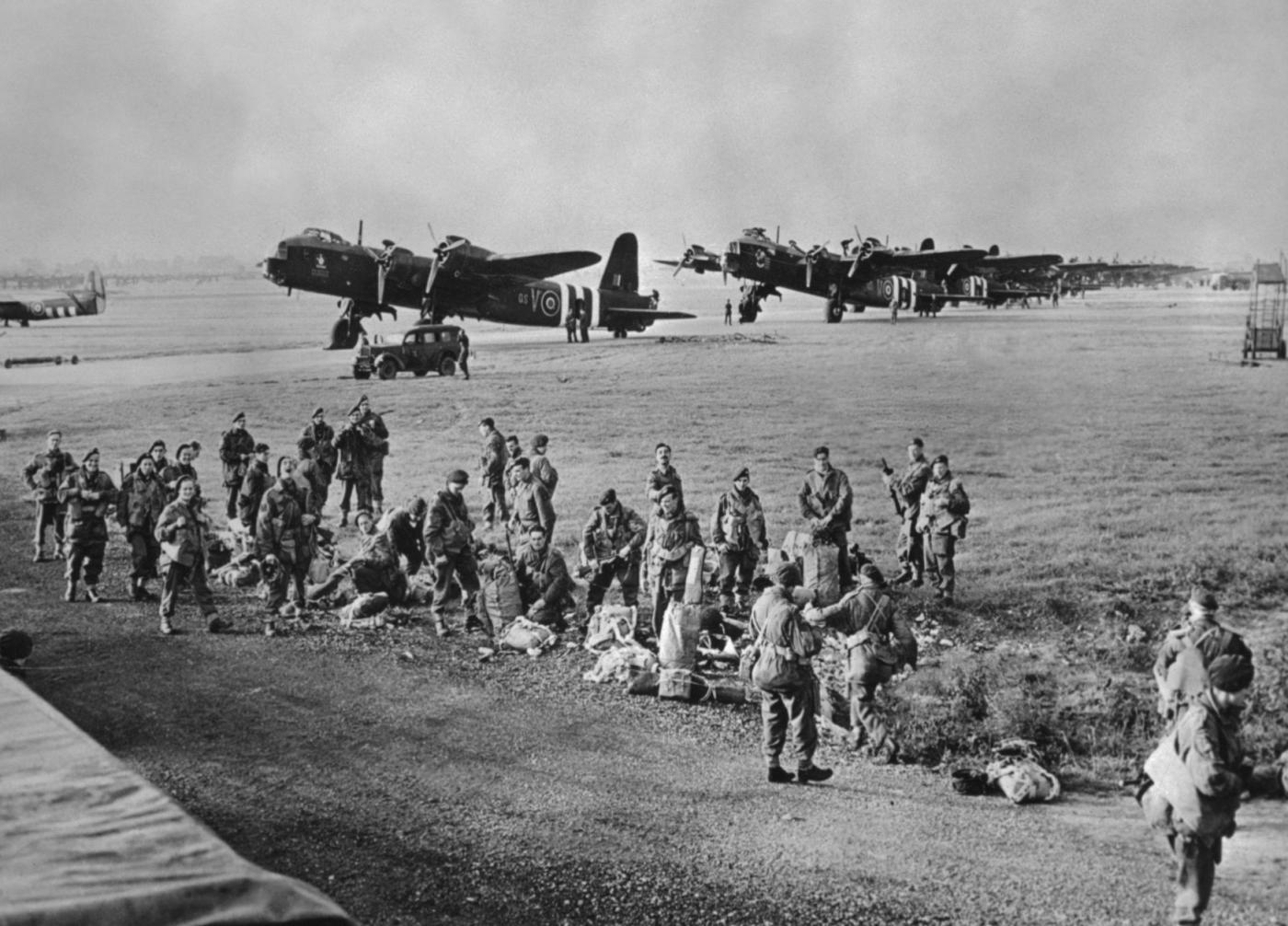
The men involved were transported by aircraft from bases in England, mainly using Short Stirling bombers that had been adapted for parachute operations. These aircraft flew at night, navigating across the North Sea in difficult weather conditions. The drop itself was hazardous. Many aircraft were scattered due to low cloud, poor visibility, and navigational errors, which meant that the SAS teams were often dropped far from their intended landing zones. Instead of landing in coordinated groups, many teams found themselves isolated, sometimes miles apart, and had to operate independently.
The operation was led on the ground by officers of both British and Free French SAS units. Among the notable commanders was Pierre-Louis Bourgoin, a highly respected and tough leader who had previously lost an arm in combat but continued to serve. Another key figure was Brian Franks, who helped coordinate British SAS elements. Despite the chaotic drop conditions, leadership at the small-unit level proved critical, as individual patrol commanders had to make independent decisions in hostile territory.
Once on the ground, the SAS teams began their tasks. Their primary objectives included capturing and destroying bridges, ambushing German convoys, cutting telephone lines, and generally causing as much disruption as possible. In some cases, they successfully seized bridges before German engineers could demolish them, allowing advancing Allied forces to use them. In other instances, they destroyed bridges or blocked roads to prevent German retreat. The presence of these small, mobile teams created significant confusion among German units, who often believed they were facing a much larger force.
The SAS also made contact with members of the Dutch resistance particularly local resistance fighters who provided intelligence, guides, and sometimes direct assistance. These المقاومة groups were crucial in helping SAS teams navigate unfamiliar terrain and avoid German patrols. The cooperation between Allied special forces and local resistance increased the effectiveness of the operation and helped spread panic among occupying German forces.
Fighting was often intense and close-range. Because many SAS teams were scattered, they had to rely on stealth, surprise, and aggressive tactics. Small firefights broke out across Drenthe, with SAS patrols ambushing German vehicles and engaging isolated enemy units. Some teams were compromised shortly after landing and had to fight their way out or evade capture for several days. Casualties were relatively high for such a small force, with several SAS troopers killed or captured.
Despite these difficulties, Operation Amherst achieved many of its objectives. German communications were disrupted, movements were slowed, and key routes were either blocked or brought under Allied observation. The operation contributed directly to the success of the Canadian advance into the northern Netherlands, as German forces found it harder to organize effective resistance or retreat in good order.
The psychological impact of the operation was also significant. The sudden appearance of airborne troops behind the lines created confusion and alarm among German units, who were already under pressure from the advancing front. Reports of SAS activity spread quickly, leading to exaggerated fears of larger airborne landings.
The outcome of Operation Amherst was ultimately successful, though not without cost. Around 700 SAS troops were involved, and dozens were killed or captured during the operation. However, their actions helped accelerate the liberation of northern Dutch towns and contributed to the collapse of German defenses in the region. Within days, Canadian forces entered and secured much of Drenthe, linking up with surviving SAS teams.
Operation Amherst remains one of the largest and most ambitious SAS airborne operations of the war. It demonstrated both the strengths and risks of deploying small, elite units deep behind enemy lines. While the scattered drops made coordination difficult, the initiative and training of the SAS troopers ensured that the mission still had a meaningful impact on the final stages of the war in Europe.